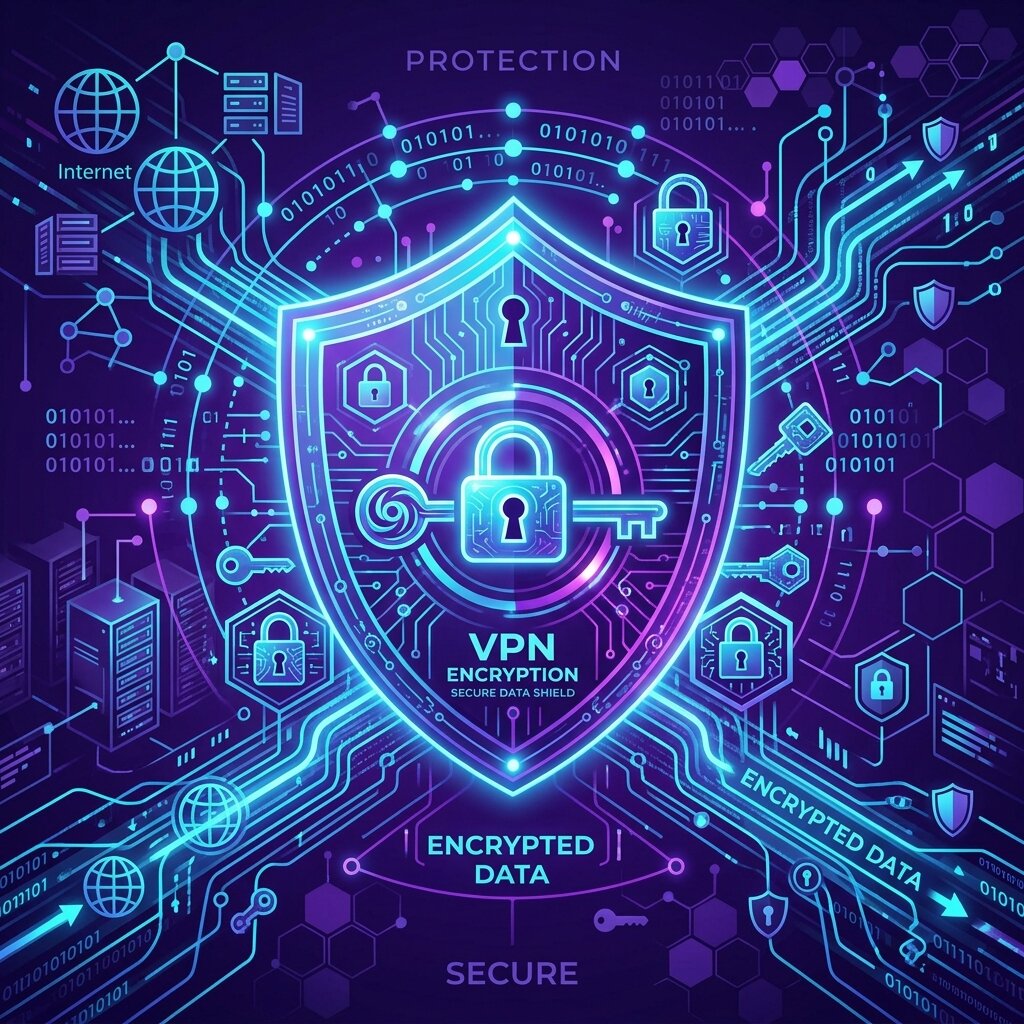
As decentralized workspaces and remote teams become the standard, secure connection protocols have never been more critical. A Virtual Private Network (VPN) forms the bedrock of an organization's defense strategy by establishing a private, encrypted tunnel between a remote employee's device and the corporate network.
When employees access company files, CRM nodes, or database panels from public Wi-Fi networks, they expose sensitive login credentials and proprietary data to intercept threats. A VPN mitigates this risk by encrypting all outbound data packages using advanced standards like AES-256. Even if traffic is intercepted, it remains unreadable code to unauthorized eyes.
Moreover, modern corporate VPN systems allow administrators to enforce IP whitelisting and role-based access controls. By combining secure VPN gateways with Multi-Factor Authentication (MFA), companies ensure that only verified personnel can interact with staging environments, product designs, or customer profiles. Investing in robust security protocols is a necessity for maintaining client trust and data compliance.